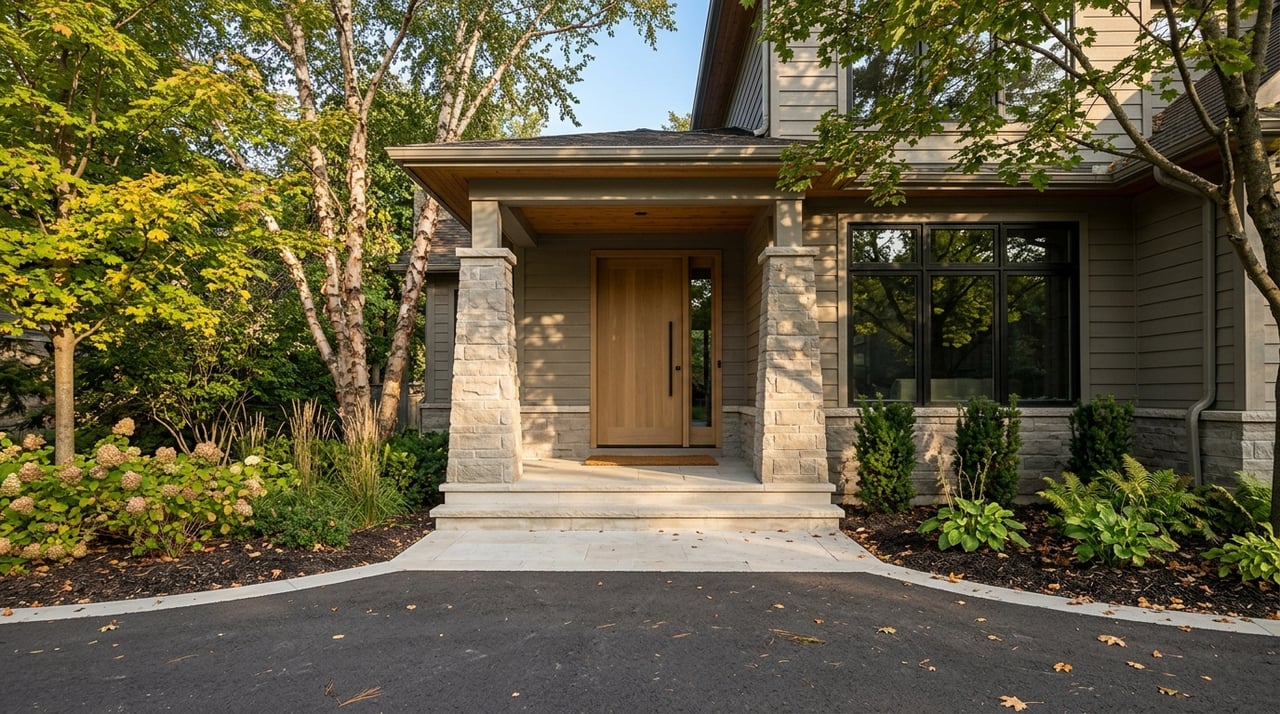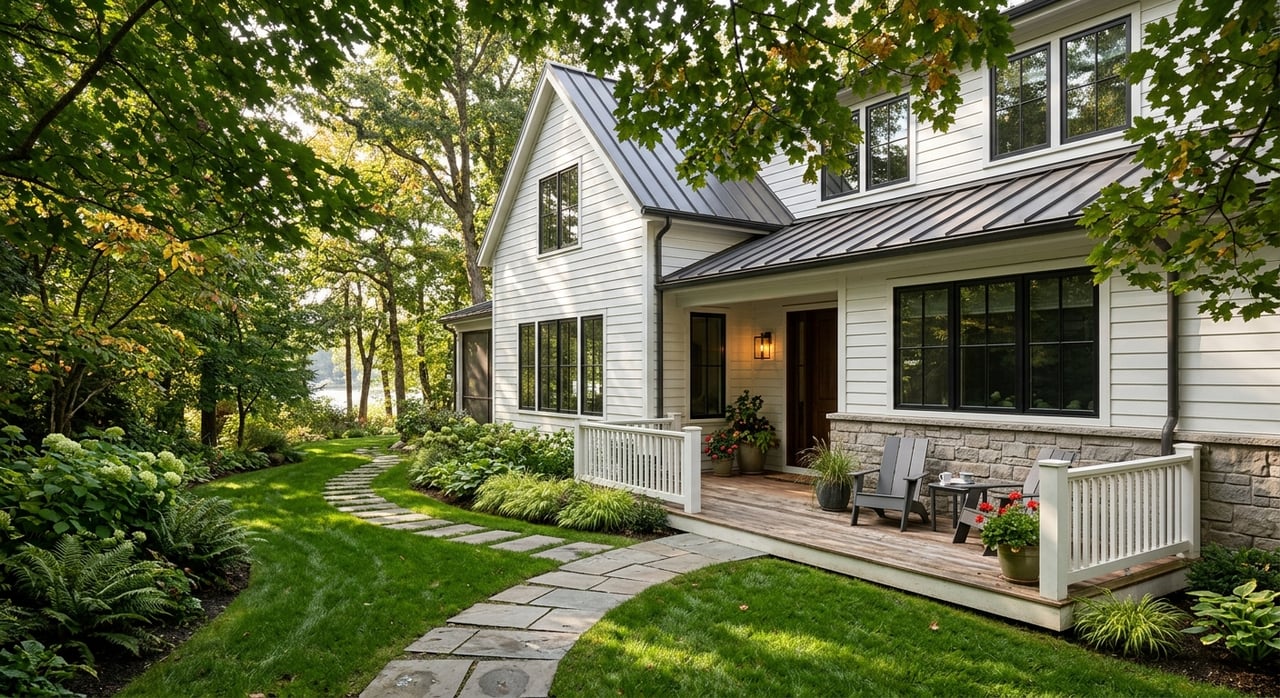
If you picture a second home as an easy lake escape, Lauderdale Lakes deserves a close look. This chain of three lakes offers the kind of year-round recreation many buyers want, but it also comes with rules, property distinctions, and shoreline realities that matter before you buy. If you want a place you can truly enjoy, and not just admire from the deck, this guide will help you understand how Lauderdale Lakes works. Let’s dive in.
Why Lauderdale Lakes appeals to second-home buyers
Lauderdale Lakes is a chain of three lakes: Green, Middle, and Mill, located in north-central Walworth County in the towns of La Grange and Sugar Creek. Together, the chain covers 807 acres, with Green Lake noted as spring-fed and Middle and Mill Lakes classified as drainage lakes. The Wisconsin DNR reports that the lakes are managed for fishing and swimming and are not currently impaired.
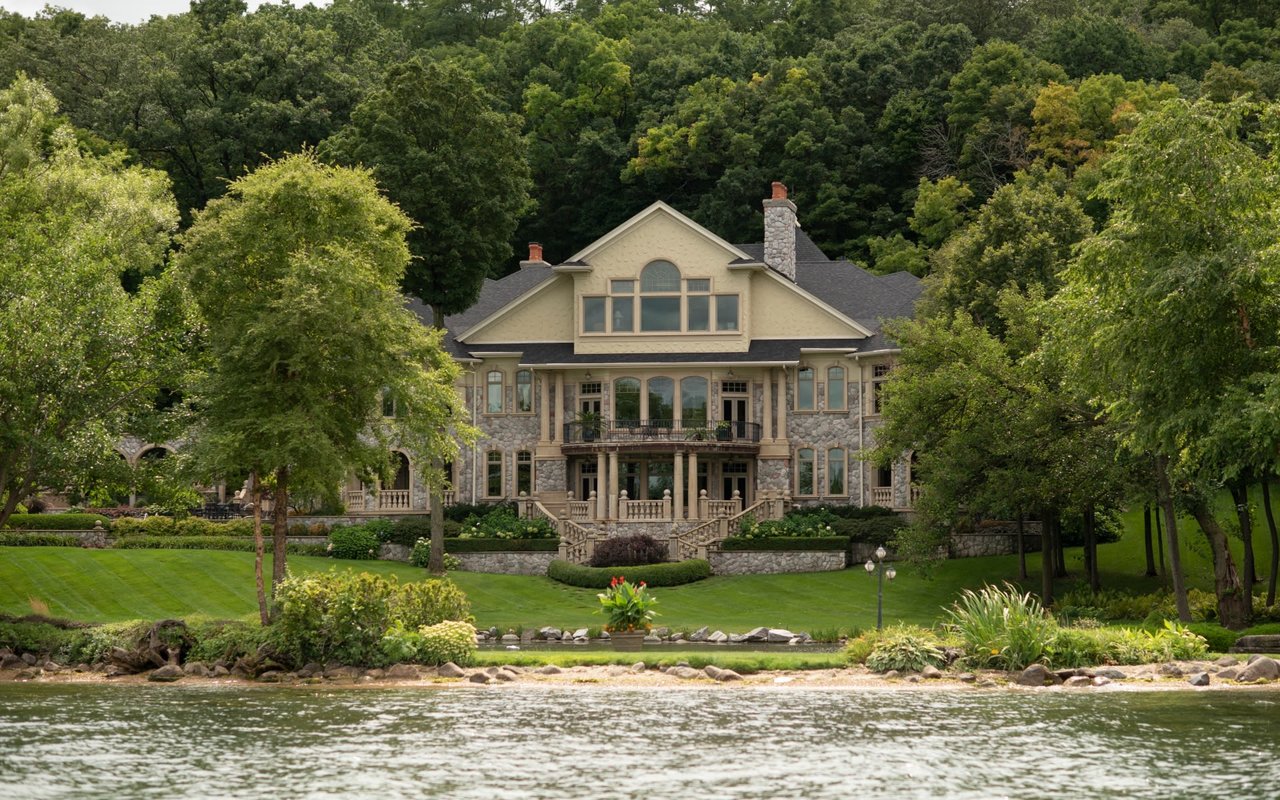
For many second-home buyers, that combination is the draw. You get a mature lake setting with established homes, active recreation, and a strong sense of place rather than a raw, undeveloped shoreline. The shoreline is already about 70 percent developed, with roughly 1,010 houses around the chain, so inventory tends to be limited and choices are more about fit than endless availability.
Expect a mature waterfront market
One of the most important things to understand is that Lauderdale Lakes is not a blank-slate waterfront market. Most shoreline has already been claimed, improved, and shaped over time. That means buyers often need to compare tradeoffs such as frontage, views, dock setup, lot shape, privacy, and renovation potential.
This can be a real advantage if you want a more established lake feel. Mature trees, improved shorelines, and settled neighborhoods often create a more finished experience from day one. At the same time, limited shoreline can make it even more important to move with clarity when the right property appears.
Know the four property types
For a second-home search here, it helps to sort properties into four clear categories. That makes it easier to compare lifestyle, cost, and lake-use rights without mixing very different ownership types.
True frontage homes
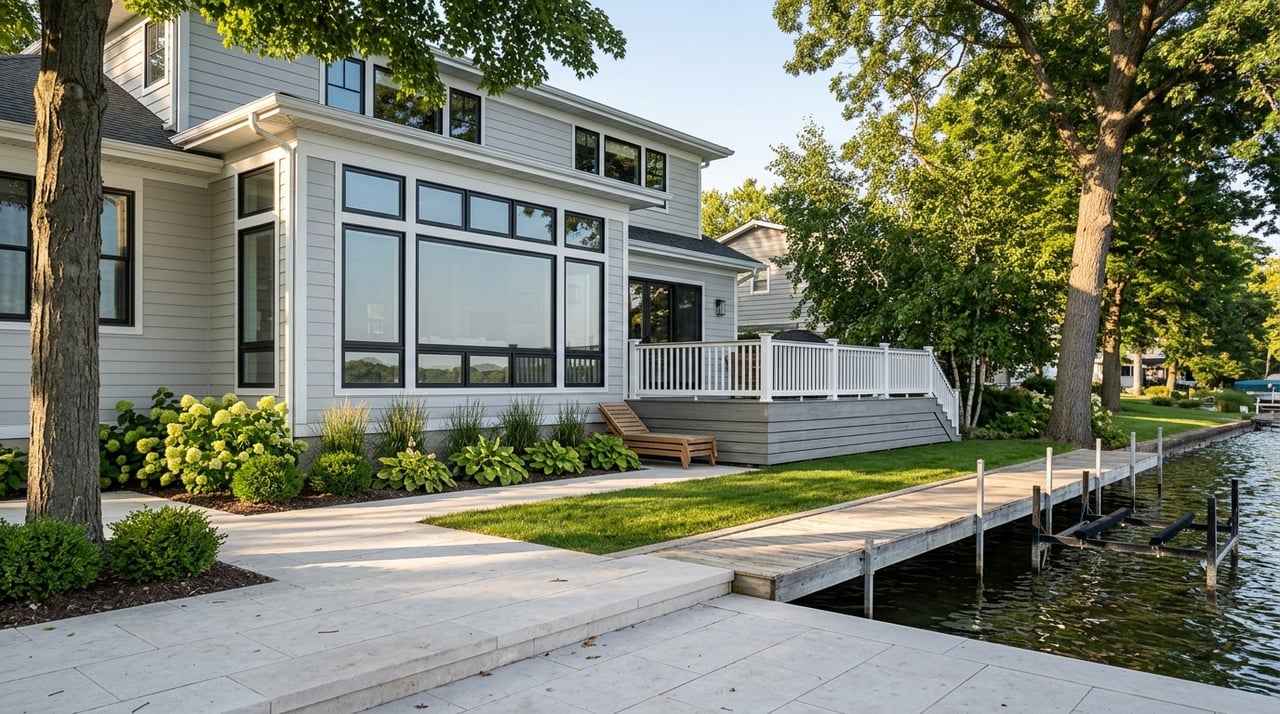
These properties sit directly on the water and typically offer the most direct lake access. They may include private piers or docks, shoreline improvements, and more control over your day-to-day waterfront use. They also tend to come with the highest purchase price and the most ongoing maintenance responsibility.
Deeded lake-access properties
These homes are not always directly on the shoreline, but they may include legal access to the lake. The value here depends on exactly what rights transfer with the property. Before you write an offer, you will want to confirm whether access includes pier use, mooring rights, or only general entry.
Condo and shared-lake communities
Some buyers prefer a lower-maintenance second home with shared amenities and a more simplified ownership model. In these settings, access to the water can still be a major feature, but rules around slips, piers, and common areas are often very different from private frontage. It is important to understand what is exclusively yours and what is shared.
Off-water homes
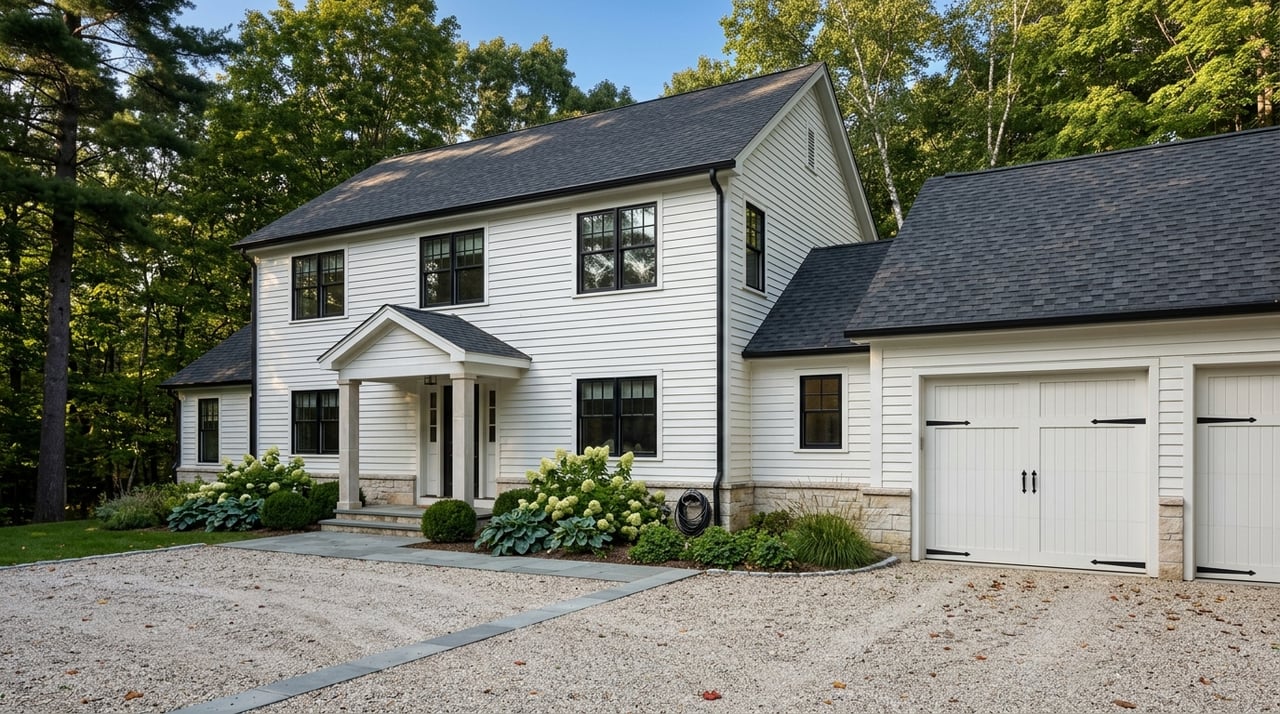
Some homes use the lakes as the lifestyle anchor without being on the water or having direct water rights. That can make sense if your top priority is being near the lake rather than controlling shoreline. This option may also leave more room in your budget for house size, finishes, or wooded surroundings.
Boating lifestyle matters here
The Wisconsin DNR characterizes Lauderdale Lakes as all-sports lakes. Summer use includes fishing, water skiing, swimming, and small-craft sailing, while winter use includes ice fishing, cross-country skiing, ice-skating, and hunting. For second-home buyers, that supports a broader lifestyle than just a few peak summer weekends.
If boating is central to your plans, local rules deserve real attention. A town ordinance creates a slow-no-wake shore zone within 100 feet of the shoreline and within 100 feet of any pier, wharf, or similar structure. The local water patrol enforces state and local boating statutes, so these are practical ownership considerations, not background details.
Current local speed rules also shape the feel of the lake. Posted rules note 10 mph from sunset to sunrise on weekdays and from sunset to 9:00 a.m. on weekends and holidays, with 50 mph allowed from 9:00 a.m. to sunset on weekends and holidays from Memorial Day through Labor Day. If you are imagining tubing, cruising, paddleboarding, or quiet early mornings, these rhythms can help you decide which part of the day and season fits you best.
Water rights and pier rules are a big deal
On Lauderdale Lakes, water rights are one of the biggest details to verify before you buy. The lake district explains that shoreline owners have rights of access and reasonable use of adjacent water, but public rights in navigable waters remain primary under Wisconsin law. In practical terms, that means docks, fill, and shoreline changes are regulated.
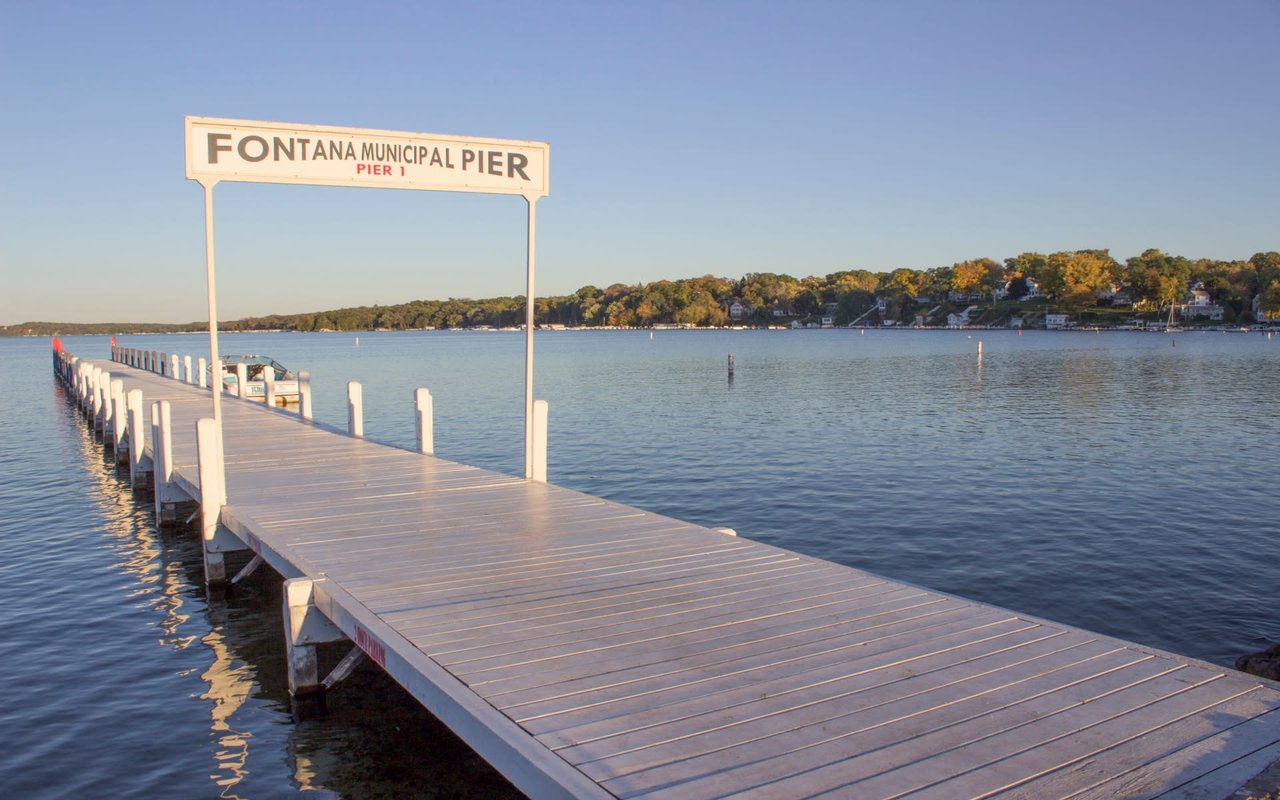
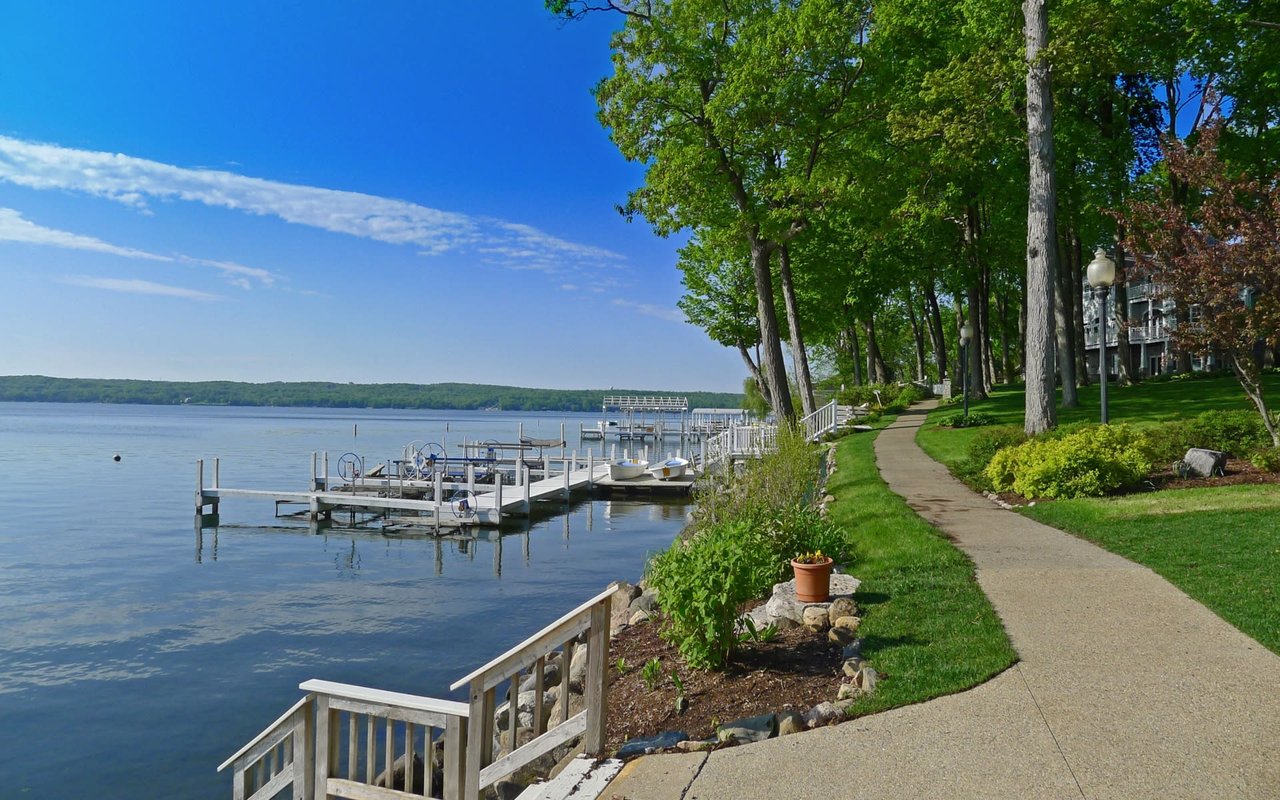
Pier rules are especially important for second-home buyers who plan to keep a boat at the property. The local pier ordinance states that new or replacement piers require permits, piers may be up to 35 feet long and 5 feet wide, and each property gets one mooring for every 22 feet of frontage, with a maximum of five moorings regardless of frontage. Piers must also stay at least 8 feet from property lines, and environmentally sensitive areas require a variance.
These rules can affect whether a property truly supports your planned use. A home with beautiful frontage may still function differently than you expect if frontage is limited or pier placement is constrained. That is why it is smart to review lake rights and pier details early, not after inspections begin.
Shoreland zoning affects future plans
If you hope to add onto a home, build a larger deck, improve the shoreline, or explore a boathouse-related project, shoreland zoning should be one of your first checkpoints. Walworth County states that shorelands are lands within 1,000 feet of the ordinary high water mark. That gives zoning and site constraints a wide reach around the lakes.
The Wisconsin DNR says statewide minimum standards generally include a 75-foot building setback, a 35-foot buffer strip, and impervious-surface limits. County review is essential because local ordinances can be stricter than state minimums. For second-home buyers, this matters because the home you buy today may not be as easy to expand tomorrow.
Pay close attention to wells and septic
Lake properties often come with private utility questions, and Lauderdale Lakes is no exception. The DNR says Wisconsin law does not require a well inspection or water test at transfer, but buyers may choose to inspect the well and pressure system. If you do, the work must be performed by a licensed well driller or pump installer, and the inspection includes testing for coliform bacteria, nitrate, and arsenic.
It is also wise to look into well records and ask whether there are any unused wells on the property. These details are easy to overlook when you are focused on the view, but they can have a real impact on comfort, maintenance, and future planning.
Septic deserves the same level of attention. The Lauderdale Lakes Lake Management District runs a septic pumping program that pumps tanks once every three years, funded by a separate property-tax charge of about $50, though full-time residents may need additional service at their own expense. As a buyer, ask for the last pump date, any available county records, and whether the system is appropriately sized for how the home is actually used.
Think beyond summer weekends
A lot of second-home buyers start with a summer vision, but Lauderdale Lakes supports more than a short warm-weather season. Because the lakes are used year-round, it is worth asking whether a home works comfortably in spring, fall, and winter too. That can change how much value you get from the property over time.
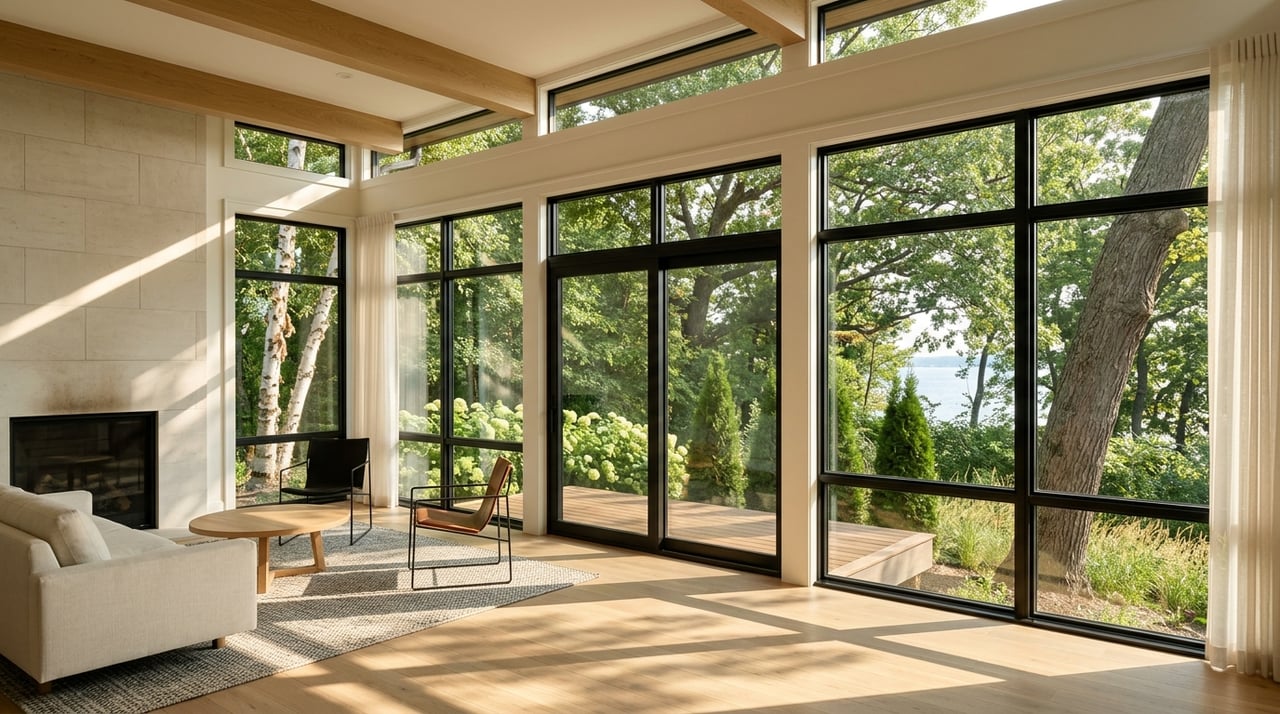
Look closely at heating reliability, winterization, dock storage, and general off-season usability. A house that feels perfect in July may not be nearly as easy in January if systems are dated or seasonal storage is awkward. If your goal is a true getaway and not just a fair-weather property, year-round function matters.
Access and regional setting add value
For many second-home buyers, convenience is part of the purchase decision. Reported drive times place Chicago about 89.2 miles away, or roughly 2 hours 2 minutes by car, while Milwaukee Airport is about 41.4 miles away, or about 1 hour. That helps explain why Lauderdale Lakes appeals to weekend buyers from both metro areas.
The broader setting also adds to the lifestyle. The nearby Kettle Moraine State Forest Southern Unit spans more than 22,000 acres and includes trails, campgrounds, beaches, a boat ramp, and major trail systems. If you want your second home to support hiking, biking, and time outdoors beyond the lake itself, that regional backdrop is a meaningful plus.
A smart second-home buying checklist
Before you move forward on a property, make sure you can answer a few practical questions clearly:
- What type of property is it: true frontage, deeded access, condo/shared access, or off-water?
- Exactly what lake rights transfer with the property?
- Are there permit or size limits affecting the current or future pier?
- What shoreland zoning rules could affect additions or site changes?
- Is the well inspected, and have water tests been completed?
- When was the septic last pumped, and is the system sized appropriately?
- How usable is the home outside peak summer months?
- What boating rules will shape how you use the lake?
A second home should feel relaxing, not confusing. The more clearly you understand rights, systems, and seasonal use before closing, the better your ownership experience is likely to be.
Lauderdale Lakes can be a wonderful fit if you want an established lake community, an all-sports boating environment, and a realistic weekend drive from Chicago or Milwaukee. The key is buying with open eyes and a clear match between the property type and the lifestyle you want. If you are considering a second home in Lauderdale Lakes or another nearby resort community, Linda Tonge offers thoughtful, local guidance to help you evaluate waterfront, lake-access, condo, and land opportunities with confidence.
FAQs
What makes Lauderdale Lakes appealing for a second home in Wisconsin?
- Lauderdale Lakes offers a chain of three lakes with year-round recreation, established shoreline development, and a convenient drive from both Chicago and Milwaukee.
What should buyers confirm about lake rights on Lauderdale Lakes properties?
- You should confirm exactly what rights transfer with the parcel, including access, pier use, mooring allowances, and any limits tied to frontage or shared ownership.
What are the key pier rules for Lauderdale Lakes waterfront homes?
- Local rules state that new or replacement piers require permits, piers may be up to 35 feet long and 5 feet wide, moorings are based on frontage, and piers must meet setback requirements from property lines.
What boating rules matter on Lauderdale Lakes for second-home owners?
- Buyers should know there is a slow-no-wake zone within 100 feet of shore and piers, along with posted seasonal speed rules that affect how and when you can use the lake.
What property systems should buyers inspect on Lauderdale Lakes homes?
- Buyers should pay close attention to private wells, water testing, septic records, pump dates, heating reliability, winterization, and overall year-round usability.