Dreaming of a weekend place close enough for Friday escapes but far enough to feel like a true break? If you live in the Chicago or Milwaukee area, Twin Lakes, Wisconsin checks that box with connected lakes, easy driving, and a relaxed waterfront lifestyle. Buying a second home here can be straightforward when you plan for lake-specific details like docks, shoreland rules, and seasonal logistics. This guide walks you through each step so you can shop remotely with confidence and arrive at closing ready for the water. Let’s dive in.
Why Twin Lakes works for weekenders
Twin Lakes sits in Walworth County on a connected lake system that draws second-home buyers from both Chicago and Milwaukee. You can usually reach the village in about 1.5 to 2 hours from downtown Chicago and under 1 to 1.5 hours from Milwaukee. These drives make weekend use realistic, though winter weather can extend travel time.
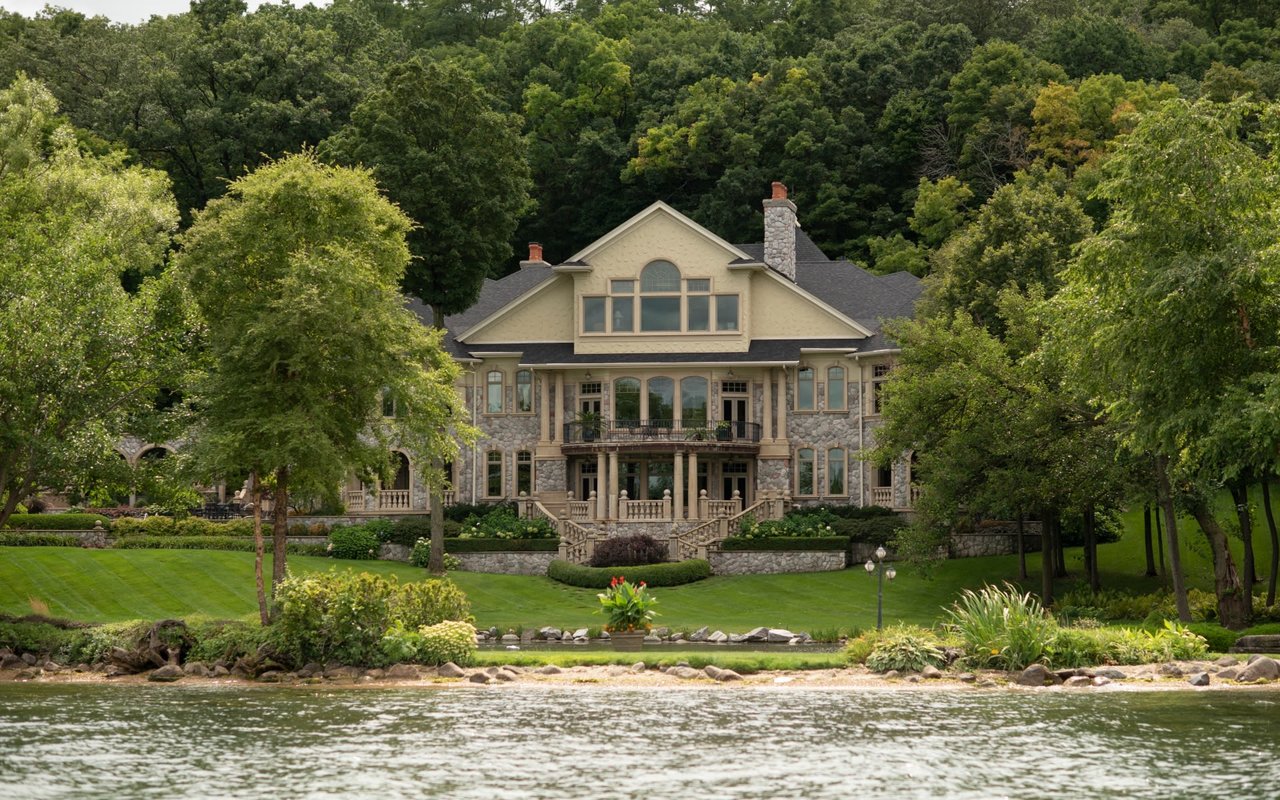
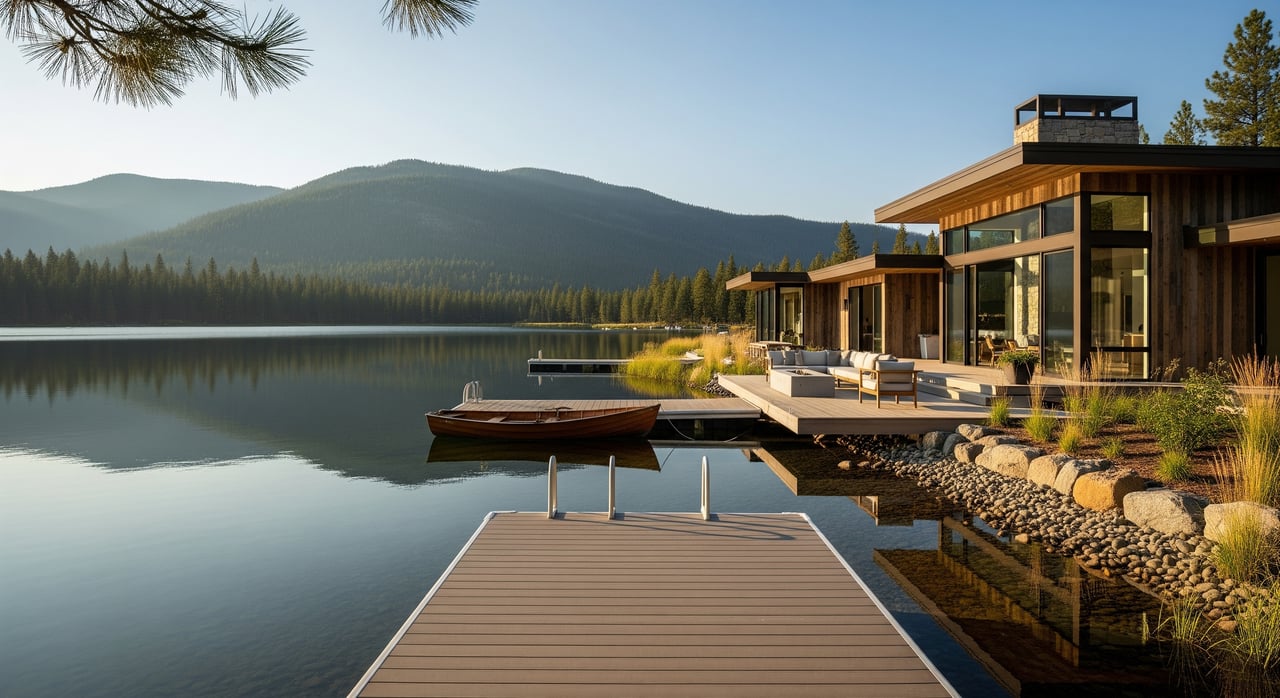
You will find a mix of options: single-family waterfront homes, near-lake cottages, properties with private or shared docks, and some condos or townhomes near the lake or village center. Demand tends to follow the seasons. Nice weather can heighten competition for desirable shoreline and properties with strong dock rights.
Set your search up right
Decide on your water experience
Before you start, define what matters most:
- Waterfront vs. near-water access
- Dock setup: private dock, shared/community dock, rented slip, or no dock
- Access to a public boat launch or marina
- Drive time tolerance and winter access needs
- Bedrooms and layout that fit your group
- Potential to rent short-term if that is part of your plan
Clarifying this early helps you act fast when the right property appears.
Use smart filters and local eyes
Use MLS and portal filters for terms like “waterfront,” “dock,” “pier,” “shoreline,” “boat lift,” and “riparian rights.” Expect some listing inconsistencies. Always confirm details with your agent, the survey, and municipal records. Ask your agent to set up saved searches and alerts for new listings, price changes, and status updates. A local, lake-savvy advisor will help you spot red flags and confirm the exact nature of water access.
Plan your financing early
Second-home mortgages often differ from primary-residence loans. Lenders may require a higher down payment, often in the 10 to 20 percent range, and they will confirm your intent to use the home as a second residence. If frequent short-term rentals are part of your plan, some lenders will treat the property as an investment, which can change down payment and rate. Include local property taxes and insurance premiums in your affordability review.
Tour and verify from a distance
Remote showings that work
If you are shopping from Chicago or Milwaukee, use a mix of live and recorded options:
- Live video tours with your agent to see flow, finishes, and views
- Pre-recorded walkthroughs and drone footage to understand shoreline and orientation
- Requests for room measurements, floor plans, and any recent survey documents
These materials help you narrow the field and decide when an in-person visit is essential.
Lake-specific inspections
Lake properties add a layer of due diligence. In addition to a general home inspection, plan for:
- Dock and shoreline review to assess dock condition, permitted placement, slip ownership, and lift equipment
- Septic system inspection and pumping report if the home is not on municipal sewer
- Well-water test if the home uses a private well
- Shoreland setback and erosion assessment for steep banks or eroded lots
- Pest and winterization checks if the home sits vacant in colder months
Survey and title clarity
Order a current survey to verify shoreline boundaries, easements, and the exact location of any dock relative to lot lines. Have the title commitment reviewed for easements that affect waterfront use, such as public access strips, utility easements, or shared pier agreements. Clear documentation now prevents surprise limitations later.
Offer, contingencies, and remote closing
When you make an offer, build in the protections that matter to you as a remote buyer:
- Financing contingency
- Inspection contingency
- Dock and waterfront use contingency to confirm rights and permitted structures
- Title review and survey approval
For closing, coordinate with a local title or escrow company on mail-away or remote signing. Confirm whether remote online notarization is available for your documents in Wisconsin and follow your title company’s guidance. Use verified channels for wiring funds and call to confirm instructions using a known, trusted number. Give yourself a little extra time for surveys, records requests, and inspector availability, especially during peak seasons.
Lake-use, docks, and boating rules
Riparian rights and what to request
Waterfront ownership often includes riparian rights that allow access and potential dock placement. These rights vary by parcel and local rules. Ask for:
- Deed language that addresses riparian rights
- Recorded easements or restrictions that might limit docks, boat storage, or shoreline changes
- HOA covenants and rules that govern dock allocation or rentability if an association is involved
Docks, piers, and lifts
Dock setups in Twin Lakes follow a few patterns:
- A private dock included with the parcel
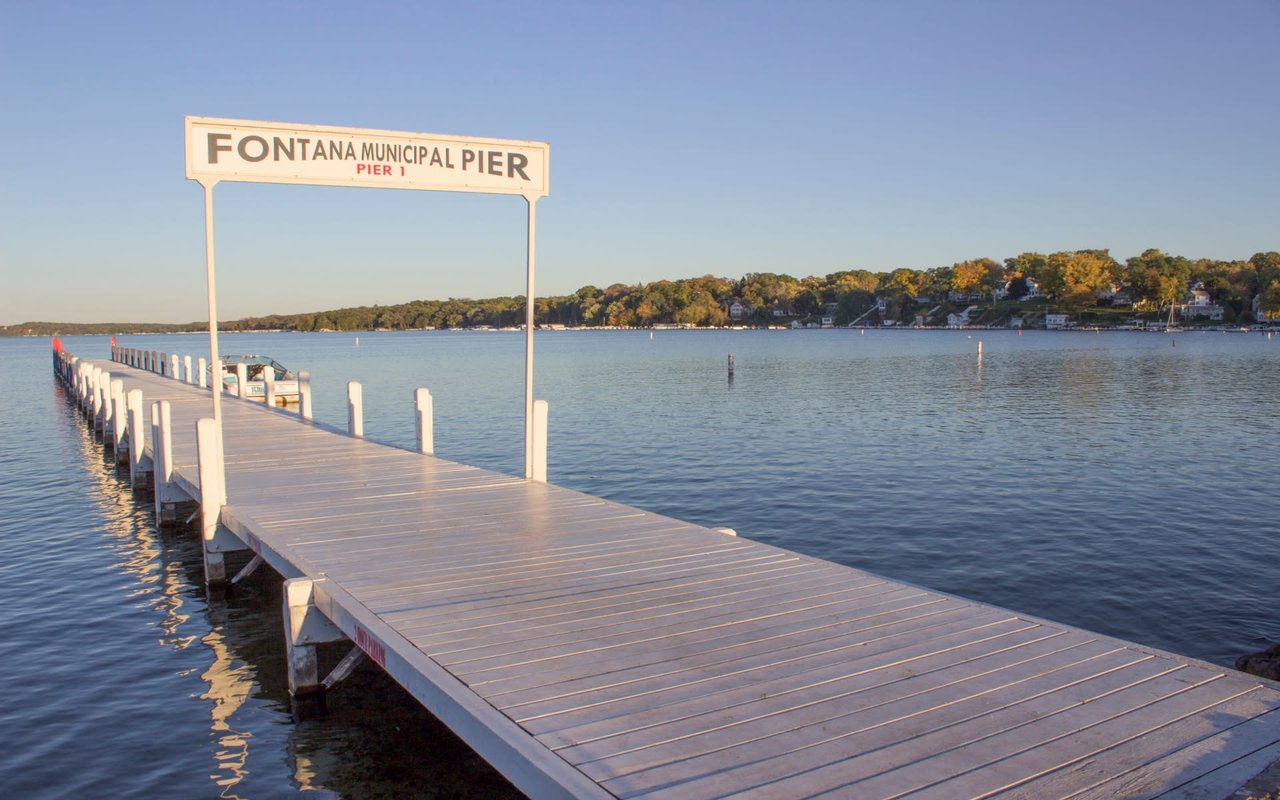
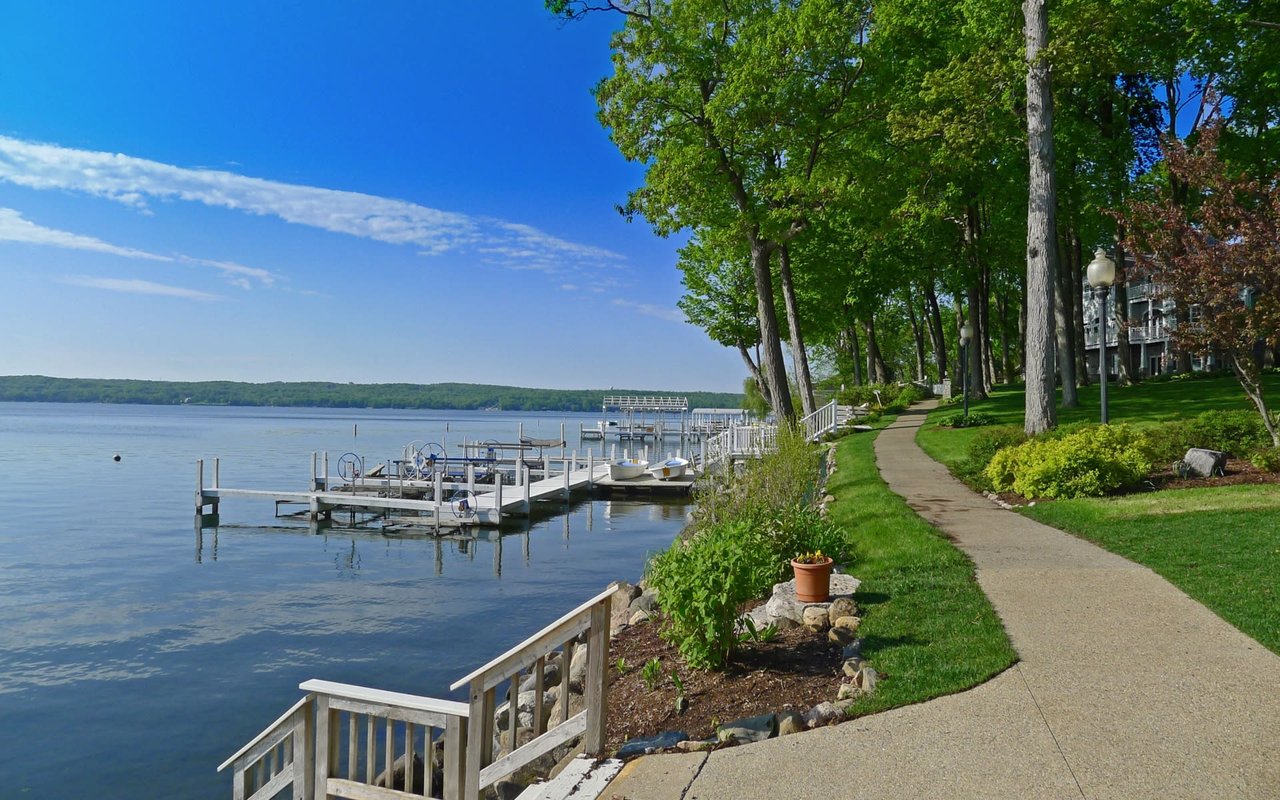
- A shared or community dock managed by an association, often with allocation rules and possible waitlists
- A rented slip at a private marina under a separate contract
Dock length, placement, and structures are controlled by local shoreland zoning and may involve county rules and state oversight for certain work. Always confirm permit needs with the Village of Twin Lakes and Walworth County, and plan for maintenance and winterization. Ice can be hard on piers and lifts, and removal or protection each fall is a recurring cost.
Boating regulations and AIS
Twin Lakes has local rules for speed, no-wake zones, and wake sports that can differ across the connected lakes. Expect compliance requirements for aquatic invasive species. Boats must be cleaned and drained before transport and launch under state programs. Public boat launches can reach capacity on busy summer weekends, so plan parking and timing.
Boat storage and seasonal logistics
Storage options you can use
Decide how you will store your boat before you close:
- Private dock on your lot for convenience if your deed and permits allow
- Marina wet slip on a seasonal lease, often with electric and service options
- Dry stack or land storage for reduced on-water responsibility
- Haul-out and winterization services for smooth transitions into and out of the season
Demand and timing
In smaller lake communities, slips and storage are limited. The best locations often have waitlists, and spring demand surges. Reserve as early as possible. Pricing varies by facility, slip size, and included services. If dock access is vital to your enjoyment, treat this as a top priority in your search and negotiation.
Winterization and year-round access
Winter is part of lake life. Plan to winterize boats, docks, lifts, and plumbing. Some equipment must be removed or protected from ice. Snow and ice can also impact access roads and walks, so think ahead about plowing and routine property checks if you will be away.
HOA, rules, taxes, insurance, and care
Association norms to review
If your property is part of an HOA or lake association, review the CC&Rs and ask for recent board meeting minutes. Focus on:
- Dock and boat-storage rules and how slips are assigned
- Architectural controls for exterior changes
- Short-term rental policies and any registration requirements
- Assessment schedules and reserve funds for shared waterfront assets
Municipal rules and rentals
Short-term rental rules vary by municipality and county. If you plan to rent, verify the Village of Twin Lakes and Walworth County requirements for licensing, zoning compliance, occupancy limits, and local room taxes. Do this early, since approval or restrictions may affect your financing and long-term plan.
Property taxes and assessments
Second-home owners follow the same tax process as primary owners. Confirm the current property tax bill and ask whether special assessments apply to the parcel, such as sewer, street, or shoreline projects. Build these into your budget and closing timeline.
Insurance and risk management
Lake homes often carry higher insurance premiums because of exposure and replacement cost considerations. Check whether the property lies in a flood-prone area by reviewing official flood maps and talk with your insurance provider about the need for flood coverage. If you own a boat or personal watercraft, you may need a separate policy. Gather quotes during your contingency period.
Utilities, internet, and cold-weather setup
Confirm whether the home is on municipal water and sewer or a private well and septic. Septic systems require periodic maintenance. Ask about heating type, winter utility minimums, and whether the home has features that support cold-weather use. Internet and cellular performance can vary by location, so test providers if you expect to work remotely or stream frequently.
Who will help when you are away
Most second-home owners build a reliable local team. Common contacts include a lake-savvy real estate agent, title and escrow professionals, a home inspector with shoreline experience, septic and well specialists, dock and shoreline contractors, marina operators, and property managers. If short-term rentals are part of your plan, management services can handle cleaning, guest support, and seasonal opening and closing.
A practical 8–12 week plan
Use this roadmap and adjust based on property and season:
- Week 0–2: Engage a local agent, set your search criteria, and obtain a lender pre-approval for a second-home loan.
- Week 1–4: Monitor listings, request virtual tours, and narrow to your top options.
- Week 4–6: Schedule an in-person visit if needed, or complete deeper virtual reviews. Order inspections, including dock, septic, and well as applicable.
- Week 5–8: Draft your offer and negotiate contingencies for financing, inspection, dock/use rights, and title.
- Week 6–10: Complete due diligence: survey, title commitment review, insurance quotes, and HOA document review.
- Week 8–12: Prepare for closing. Arrange remote signing, verify wire instructions, schedule the final walkthrough, and plan keys and property handoff. Line up any seasonal services.
Before you waive contingencies, confirm these priority items:
- Exact dock rights and location based on survey, deed language, and local rules
- Permits or approvals for any planned shoreline or dock work
- Condition and age of septic and well systems, plus any repair estimates
- Property tax status and special assessments
- Insurance availability and estimated premiums
Ready to explore Twin Lakes?
If Twin Lakes feels right for your weekends, you can buy with confidence by focusing on the details that matter: dock rights, inspections, shoreland rules, storage, and remote closing logistics. A local, lake-focused advisor will help you verify the facts behind every listing so your lakeside experience matches your vision from day one.
If you are considering Twin Lakes or another nearby lake community, connect with a trusted, high-touch local advisor. Schedule a Consultation with Linda Tonge to map your search, line up lending, and start previewing the right properties on your terms.
FAQs
Can I buy a Twin Lakes second home remotely?
- Yes. Work with a local agent, use live video tours, and hire local inspectors. Title companies typically support remote or mail-away closings with proper notarization.
Do all Twin Lakes waterfront homes include a private dock?
- No. Dock ownership varies by parcel and rules. Always verify the deed, survey, and any HOA or municipal requirements before you commit.
What are my boat storage choices if I am not there full-time?
- You can use a private dock, rent a marina slip, or choose dry-stack or land storage. Popular options have waitlists, so reserve early.
Are there special insurance or flood considerations for lake homes?
- Lake properties often carry higher premiums and may face flood risk. Review official flood maps and get insurance quotes during your contingency period.
Can I run a short-term rental at my Twin Lakes home?
- Possibly. Check village and county rules and any HOA policies for licensing, occupancy, and taxes. Confirm these details before you buy or set your financing plan.