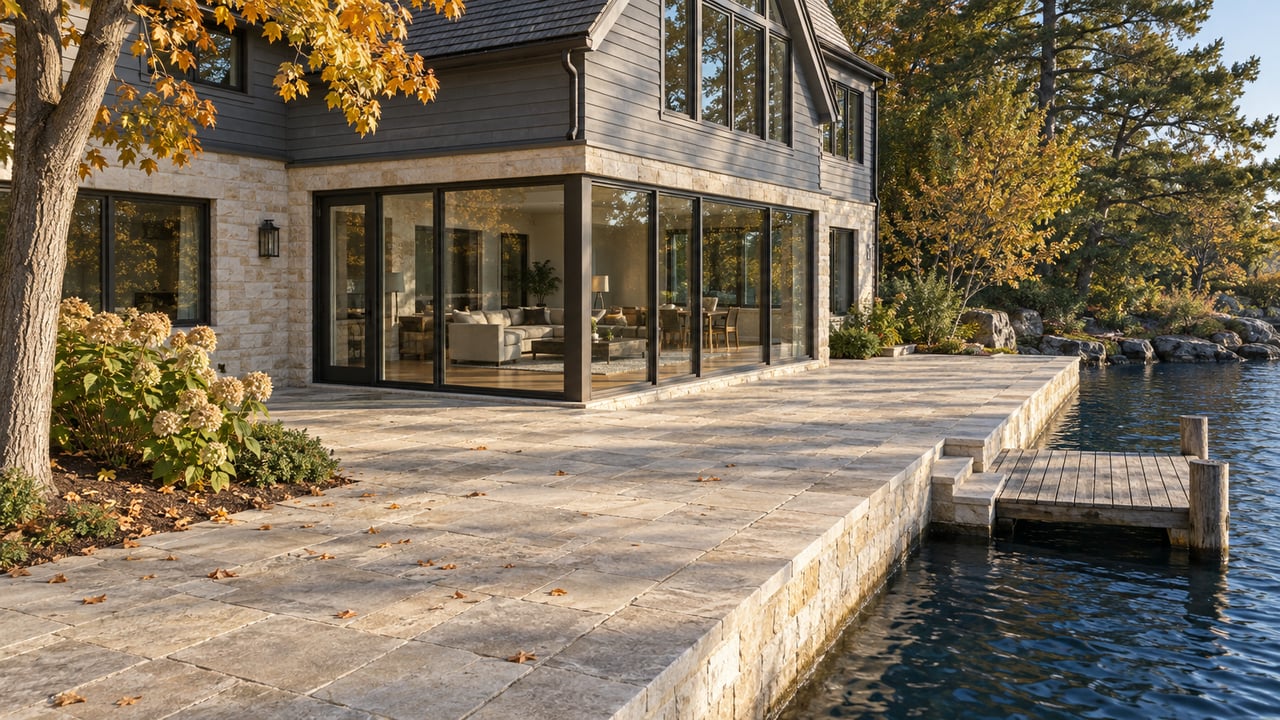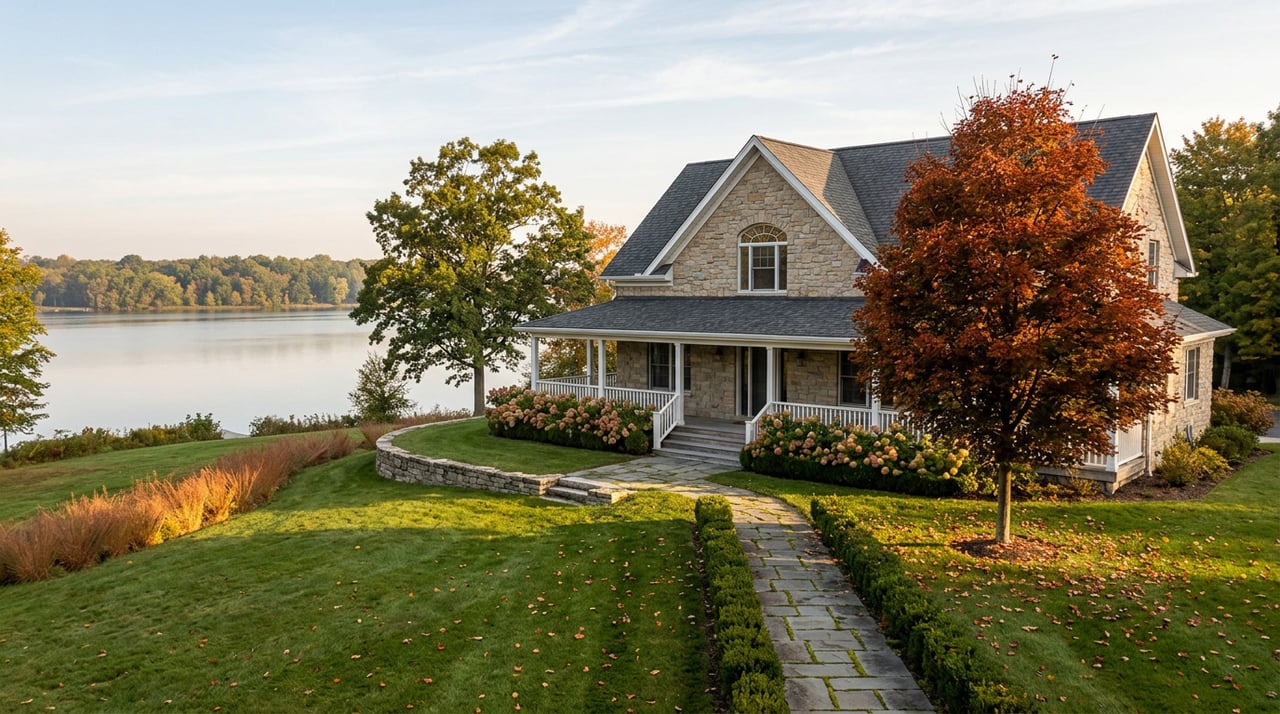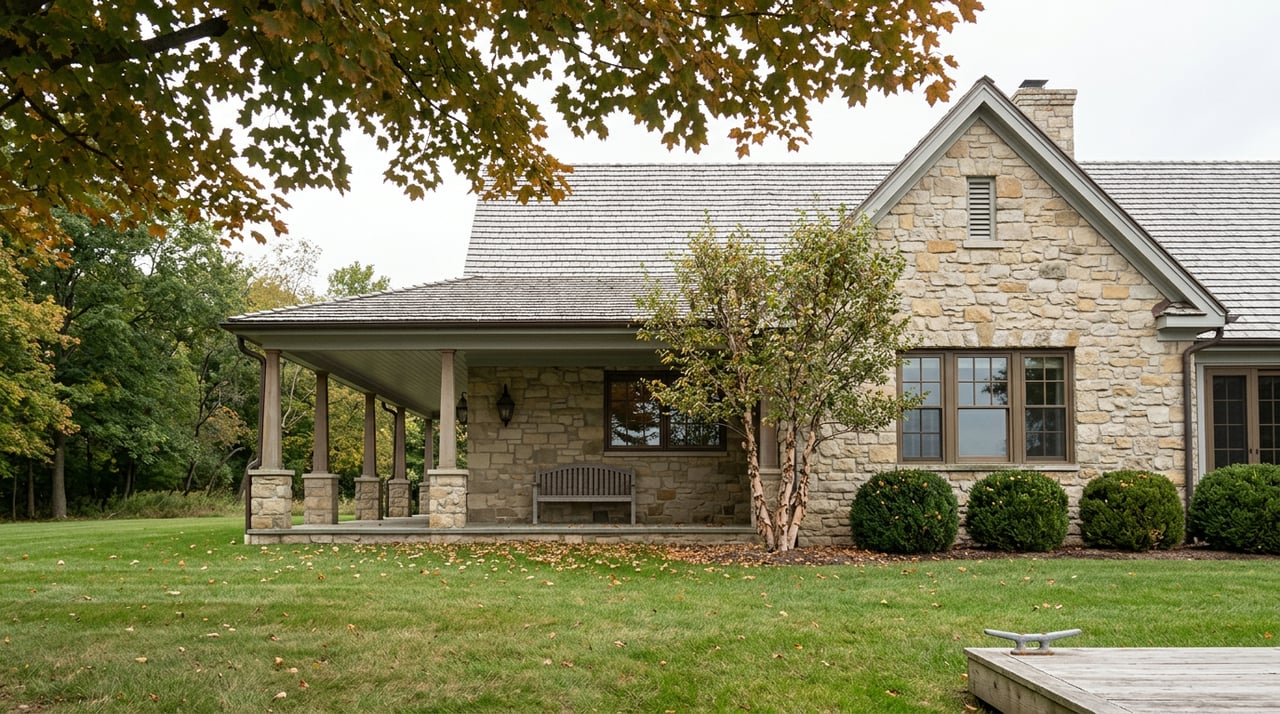
This weekend, buses are running a shuttle route most residents have never had a reason to take: from the parking lot at Lake Lawn Resort, out along South Shore Drive, past gates that don't usually open for visitors. The people riding those shuttles bought tickets months ago. All of them are here to see five buildings that a good number of Delavan Lake residents drive past weekly without a second look.
The event is Wright and Like 2026: Delavan Lake, a two-day architecture tour organized by Wright in Wisconsin. It sold out weeks before the September 11 start date, according to the organizer's own site, which now carries a plain notice that the tour is full. That single fact is the real story for anyone who already lives here. Outsiders are paying up to $125 a ticket, plus a separate Friday evening reception at $100, to see something residents have had unrestricted access to the entire time. The only thing locals have been missing is the context.
Five Buildings, One Five-Year Stretch
Frank Lloyd Wright designed five summer residences on Delavan Lake between 1900 and 1905, a concentration built for a specific circle of Chicago businessmen who wanted lake retreats close enough to visit on weekends. The centerpiece is Penwern, the estate Wright built for Fred B. Jones, a Chicago hardware executive who wanted a place to entertain the way he did at his downtown men's club. Public radio coverage of the estate lays out how Jones bought his lot from Henry Wallis, the developer and Wright acquaintance who had subdivided the lakefront and was steering his own buyers toward the same architect.
Penwern itself is four structures on a ten-acre site with 600 feet of shoreline: the main house, a boathouse, a gate lodge, and a stable that doubled as an icehouse, since Wright designed a section of it specifically to hold blocks of ice cut from the lake in winter. The estate has been on the National Register of Historic Places since 1974. It has been privately owned since 1994 by Sue and John Major, who spent years reconstructing the boathouse after a 1978 arson fire destroyed everything but the foundation.
The tour's other stops round out the picture: the Wallis-GoodSmith House from 1900, viewable from the exterior only, the Ross Summer House from 1902, and the Spencer Summer Cottage, also 1902, which Wright chronicler Mark Hertzberg has singled out as the only one of the five small enough to genuinely deserve the word "cottage." The rest, he's noted, are grand enough that the term undersells them.
The Park Built Over a Wright Building
Here's the detail that changes how you look at a familiar stretch of shoreline. Wright designed a sixth structure on Delavan Lake: a clubhouse for the Delavan Lake Yacht Club, completed in 1906. It stood on land that Wallis and Jones staked out together, and that land is now DelMar Park. The clubhouse itself didn't survive. It was demolished in 1916 when the yacht club merged with the golf club and commissioned a new, larger building from a different architect. There's some local speculation, though not confirmed documentation, that lumber from the old clubhouse ended up in a small apartment building near Terrace and Walworth avenues downtown.
That means anyone who has spent an afternoon at DelMar Park has stood on ground that once held a Frank Lloyd Wright building. No plaque marks it. No tour stops there. It's simply part of the park now, which is exactly the point: this lake's architectural history isn't cordoned off in a museum, it's folded into places residents already use.
What You Can Still See Without a Ticket
The sold-out status of this weekend's tour isn't the end of the story for anyone who missed the ticket window. Penwern is privately held, but tours of the grounds are occasionally offered by the Frank Lloyd Wright Trust outside of the annual Wright and Like event, and the estate's stewards have been open about their restoration work over the past three decades. Mark Hertzberg's book, "Frank Lloyd Wright's Penwern: A Summer Estate," published by the Wisconsin Historical Society Press, is the fullest public account of the property if the closest most residents will get is the water.
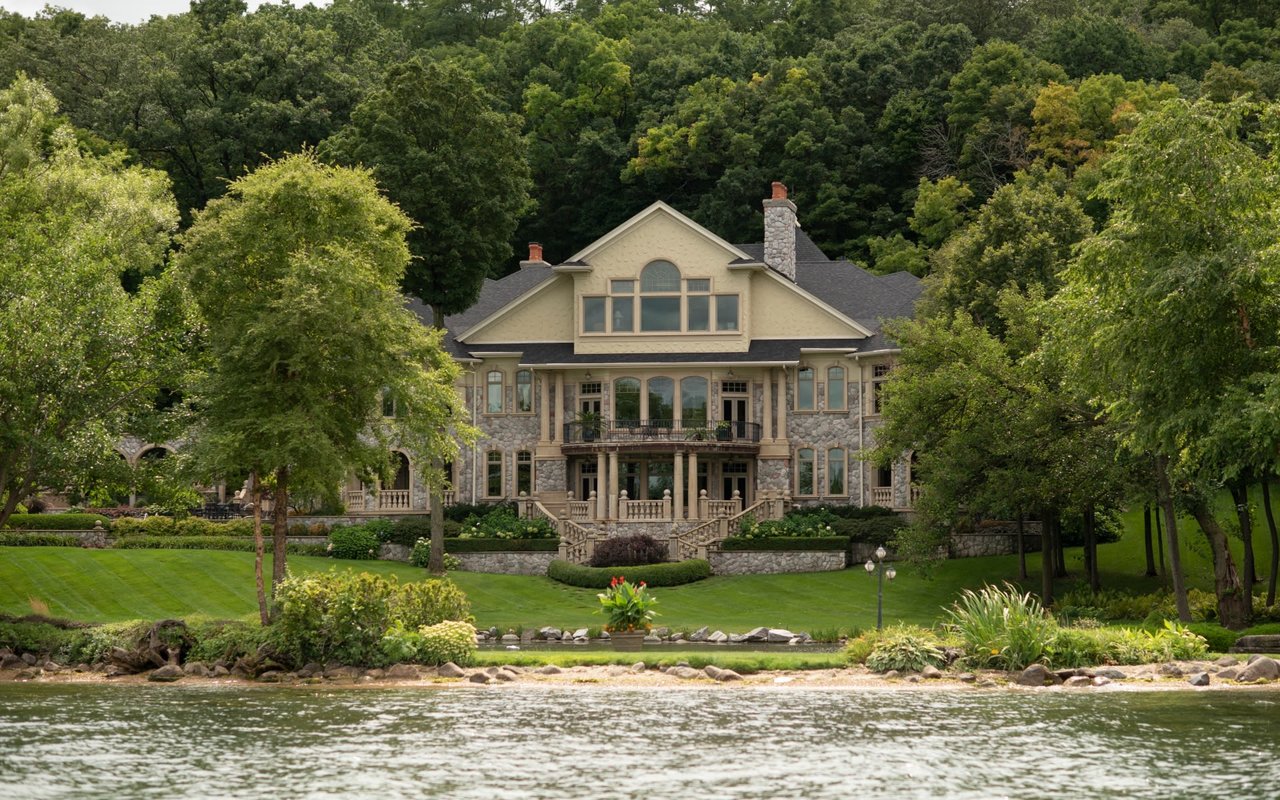
That's not a small consolation. Several of the five estates, including the Wallis-GoodSmith House and the Spencer Summer Cottage, are visible from the lake itself or from South Shore Drive, which means a slow boat pass on any ordinary Saturday offers a version of the same view the tour group is paying for this weekend. The difference is knowing what you're looking at.
The Rest of the Season
The architecture weekend is the headline, but it's not the only thing shaping the calendar between now and Halloween.
On September 14, the GLWA Ladies' Day Luncheon returns to Lake Lawn Resort, themed "Blue Suede Shoes and Autumn Views" this year. It's the kind of gathering that quietly marks the seasonal turn for a lot of longtime residents, whether or not they attend.
October 11 brings the Family Fall Fest, also at Lake Lawn Resort, with live music from local favorites The Beaux starting at noon and running into the afternoon. It's become an annual fixture at the resort, timed to catch the last stretch of comfortable outdoor weather before the lake truly quiets down for winter.
Two weeks later, on October 24, the Delavan Brew Walk moves through downtown starting at 3:30 in the afternoon, giving residents a reason to be on foot in town rather than out on the water. For a lower-key fall evening any week between now and then, Duesterbeck's Brewing Company remains one of the area's better options: a family-run brewery built out of a former working farm, with a rotating tap list and a patio that stays busy well into the cooler months.
And for anyone looking for indoor entertainment as the days shorten, the Belfry Music Theatre is worth remembering as more than a summer stock house. Built in 1888 as a Mormon church and converted to a theater by 1934, it grew from a 35-seat room to a 240-seat facility and counts Paul Newman, Del Close, Gary Burghoff, and Harrison Ford among the young performers who worked there in its early decades. It's a piece of the same local history that produced Penwern, just with a different kind of legacy attached.
Living Next to the Exhibit
The people who bought tickets to Wright and Like 2026 organized their fall around a weekend on Delavan Lake. Residents don't need to. The buildings that drew a sold-out crowd aren't going anywhere, and neither is the park built where one of them used to stand. What changes, once you know the history, is how ordinary the extraordinary starts to feel: a boat ride past a cottage that isn't really a cottage, an afternoon in a park with no plaque, a downtown theater that once had a teenage Harrison Ford on its stage.
That's the version of Delavan Lake that doesn't make it into a ticketed weekend. It's just what's already here.
If you're curious about what a property near any of these landmarks might be worth, or what it takes to buy or sell on a lake with this kind of architectural pedigree, Linda Tongé has spent decades getting to know Delavan Lake and its neighbors on Geneva Lake block by block. Reach out anytime to talk through what you're seeing on the water this fall.